





Porcini
Boletus edulis e specie affiniA detailed guide to porcini mushrooms in the United Kingdom: four related Boletus species, host trees, soil, moisture, temperature and seasonal patterns.

The word porcini brings together a small family of related mushrooms rather than one single species. Boletus edulis, B. aereus, B. reticulatus and B. pinophilus respond differently to woodland structure, elevation, moisture and the rhythm of the seasons. In a United Kingdom context, those differences matter: the same name can describe very different ecological settings, from cool upland woods to warmer broadleaf habitats.
Informational content. No online text or image replaces identification by an expert mycologist: if in doubt, do not eat the mushroom.
Four species, four faces
The name porcini usually covers four species in the Edules group. This small iNaturalist selection places Boletus edulis, B. reticulatus, B. aereus and B. pinophilus side by side: close relatives linked to different woodland, elevation and seasonal contexts.
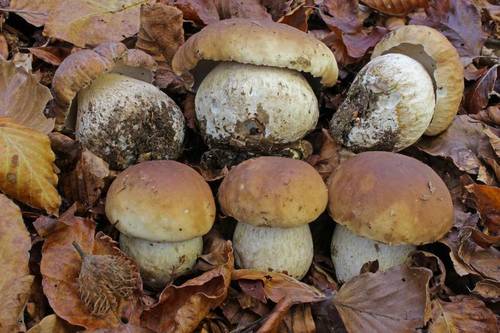
Foto: Davide Puddu · CC BY · iNaturalist
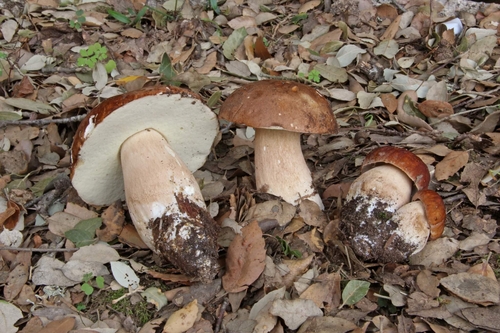
Foto: Davide Puddu · CC BY · iNaturalist
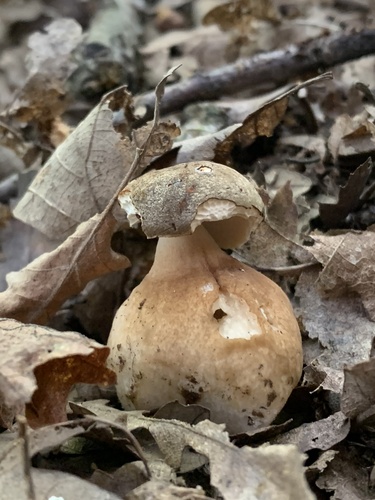
Foto: Manuela Fiorini · CC BY · iNaturalist
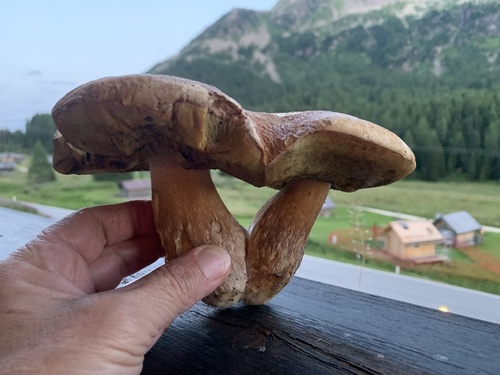
Foto: Manuela Fiorini · CC BY · iNaturalist
The name porcini tells four different stories
When people say porcini, they usually mean Boletus edulis, B. aereus, B. reticulatus and B. pinophilus. B. edulis moves between beech, chestnut, fir and pine woodland; the dark porcino prefers warm broadleaf woods; the summer porcino is closely linked to oak and chestnut; and the pine porcino follows mountain conifers and mixed forests. They are close relatives, but not interchangeable: the landscape is already the first clue to their identity.
Porcini fruiting begins with an invisible partnership between the mycelium and the roots of living trees. These fungi are ectomycorrhizal: the fungal network receives sugars from the tree while helping it explore a much larger volume of soil for water and nutrients. The visible mushroom is only the short-lived fruiting body of this longer relationship. That is why the first useful question is not “where was a mushroom reported?”, but what kind of woodland, soil and microclimate is present there.
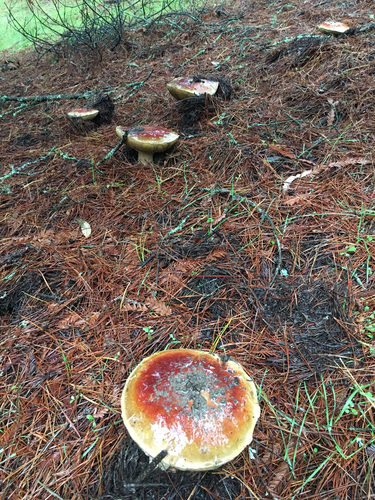
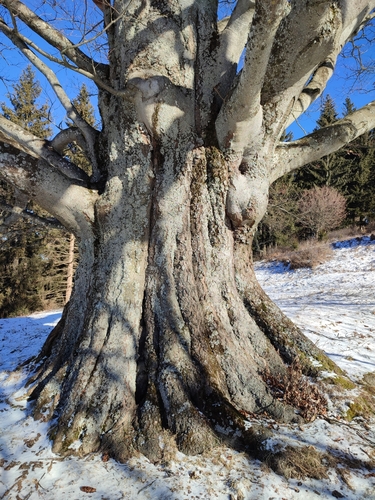
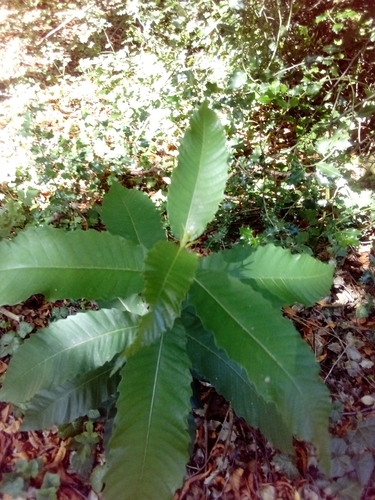
Water and warmth beneath the canopy
Water has two roles. It must wet the litter and upper soil layers, but the ground must still retain enough air for roots and mycelium. After a dry spell, effective rainfall can quickly change woodland moisture; if water runs off, remains stagnant or the soil dries again immediately, the signal is less useful. Rainfall totals alone are not enough: timing, shade, wind, aspect and the soil’s ability to retain water all shape the result.
Temperature helps distinguish seasonal preferences; it does not create a universal magic threshold. B. aereus and B. reticulatus are more associated with warm summers and early autumn, B. edulis with temperate and cooler late-summer and autumn conditions, and B. pinophilus with cooler mountain environments. The sequence matters: mild days, cooler nights, available soil water and limited prolonged stress tell a more useful story than one forecast value beneath the leaf litter.
Soil, elevation and aspect
Porcini generally favour well-drained, aerated soils without prolonged waterlogging. B. edulis often occurs on acidic, sandy to sandy-loamy soils with a developed litter layer; the warmer species can be associated with siliceous, drier soils beneath thermophilous broadleaf woodland. There is no single porcini soil profile: pH, texture and water-holding capacity need to be read alongside vegetation, slope and local climate.
Elevation shifts the calendar rather than defining a hard boundary. B. edulis can occur from low ground to high mountain woodland; B. aereus is more typical of lowland, hill and lower-mountain settings; B. reticulatus favours warm hill and submontane habitats; B. pinophilus is the most strongly associated with mountain formations. Aspect modifies the picture too: warm, exposed slopes suit thermophilous species, while shade, deep litter and cooler slopes help retain moisture for temperate species.
A calendar written by elevation and climate
B. edulis is associated with both broadleaf and conifer woodland, including beech, birch, oak, pine and spruce. B. aereus and B. reticulatus are more closely linked to warm oak and chestnut woods, while B. pinophilus is most at home in mountain conifers and mixed woodland, with additional associations with beech, birch and chestnut. Tree species matter, but so do woodland maturity, canopy continuity, litter depth and the presence of a living host community rather than an isolated tree.
The season changes with the woodland around it. B. reticulatus may appear earlier in warm hill country; B. pinophilus is more closely tied to cool mountain environments; B. edulis is most often associated with late summer and autumn; B. aereus favours warmer conditions. Each year builds a different sequence of fruiting, pauses and renewed activity, so elevation and recent weather should be read together.
The porcino profile
Read cap shape, colour, surface, pores, stem, reticulation, flesh, smell and habitat as one set of characters B. edulis often has a hazel to brown cap whose surface becomes glossier or more viscous with moisture B. aereus is often very dark and dry-looking, while B. reticulatus tends to have a more velvety, sometimes cracked cap B. pinophilus may show red-brown or wine-brown tones and a very stocky stem, sometimes with a pale bloom when young Pore colour, stem reticulation and any colour change in the flesh should be compared with an experienced identification guide
Where porcini may fruit
Explore the combination of woodland, elevation, aspect, recent rainfall and soil conditions that the model associates with a more favourable context for the porcini group.