




Saffron Milk Cap
Lactarius deliciosusGuide to saffron milk cap in Europe: where Lactarius deliciosus grows, summer–autumn season and habitat in pine forests. Forest map with weather data.
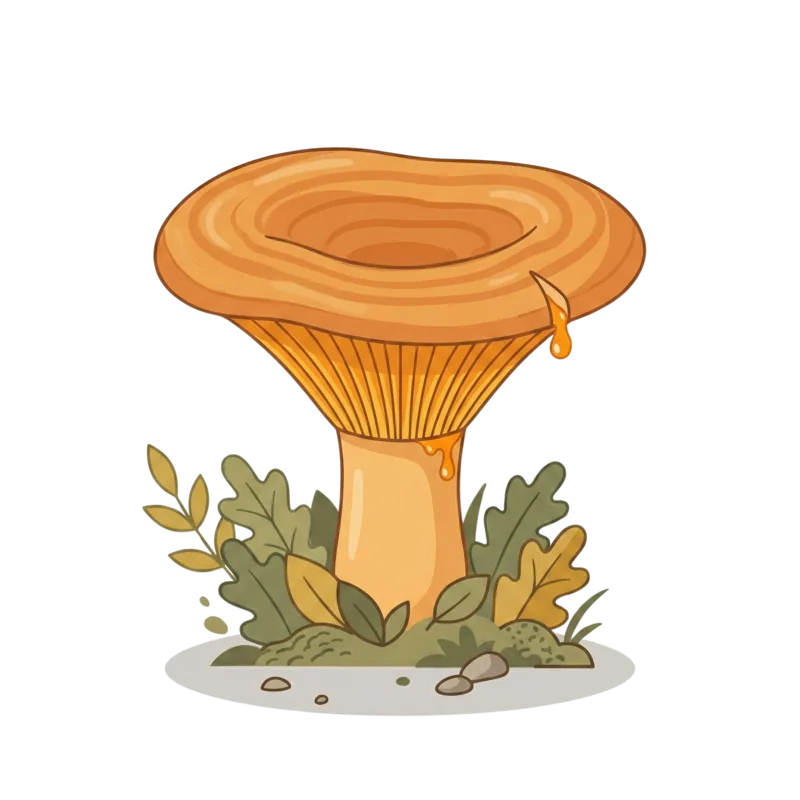
The saffron milk cap — Lactarius deliciosus — is one of the most characteristic mushrooms of Europe pine forests. Its carrot-orange latex that oxidises to green, its zonate cap and its flesh that turns green when cut make it unmistakable. It is a mycorrhizal species strictly associated with pines: you will never find it far from a Scots pine, black pine or stone pine. Despite the name — deliciosus — its gastronomic value is debated: excellent grilled or pan-fried when fresh, less versatile in the kitchen than porcini.
Informational content. No online text or image replaces identification by an expert mycologist: if in doubt, do not eat the mushroom.
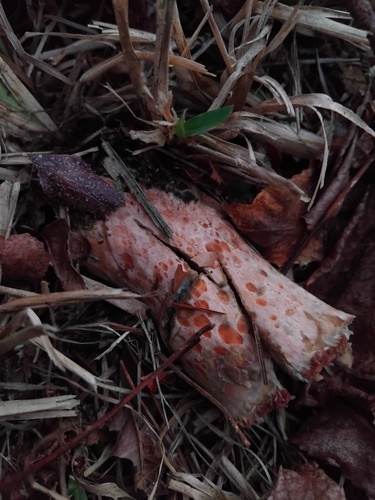
iNaturalist observation · Photo: Sofia Zvolanek · CC BY
Reading the species through its habitat
Aby zrozumieć ten gatunek, trzeba połączyć siedlisko, sezon i reakcję na lokalne warunki. Sama nazwa mówi niewiele: las i gleba wyjaśniają, gdzie może się pojawić.
The saffron milk cap — Lactarius deliciosus — is one of the most characteristic mushrooms of Europe pine forests. Its carrot-orange latex that oxidises to green, its zonate cap and its flesh that turns green when cut make it unmistakable. It is a mycorrhizal species strictly associated with pines: you will never find it far from a Scots pine, black pine or stone pine. Despite the name — deliciosus — its gastronomic value is debated: excellent grilled or pan-fried when fresh, less versatile in the kitchen than porcini.
Moisture and weather conditions
Recent rainfall is only one part of the picture. What matters is how water is distributed over time, how long the litter can retain it and whether the soil remains aerated. Shade, wind, aspect and canopy cover can quickly change how the same habitat responds.
Temperature should be read alongside the species’ season. Rather than relying on a fixed threshold, look at the sequence of mild days, cooler nights, available soil water and the absence of prolonged stress.
Soil, elevation and aspect
Drainage, texture, litter and water-holding capacity describe the ground more usefully than elevation alone. Compare the model with vegetation type, slope and aspect.
Elevation shifts the calendar by changing temperature, moisture and the length of the season, but rarely creates a hard boundary. Two slopes at the same height can still have very different conditions.
A calendar written by elevation and climate
Scots pine, black pine and stone pine forests between 300 and 1500 metres. Exclusive mycorrhizal association with pine. Never grows in pure broadleaf forests. Sandy or acid, well-drained soil.
The fruiting period of saffron milk cap shifts with elevation and weather. Each year brings a different sequence of growth, pauses and renewed activity depending on soil water and local temperatures.
The saffron milk cap profile
Zonate cap with concentric bands of orange-ochre colour Abundant carrot-orange latex, turning green within minutes Pale flesh that gradually turns blue-green when cut Dense orange gills, slowly darkening in air Growth exclusively under pines — decisive character
Where saffron milk cap may fruit
Explore the combination of habitat, elevation, aspect, recent rainfall and soil conditions that the model associates with a more favourable context for saffron milk cap.